

Voices of Our Department Students
Anjali S
B.Tech AI & DSRahul K
B.Tech Cyber SecurityMazin P
AI DepartmentAkhilesh R
Cyber SecurityIndustrial Interactions
Strengthening industry–academia collaboration
FACEIN Technologies
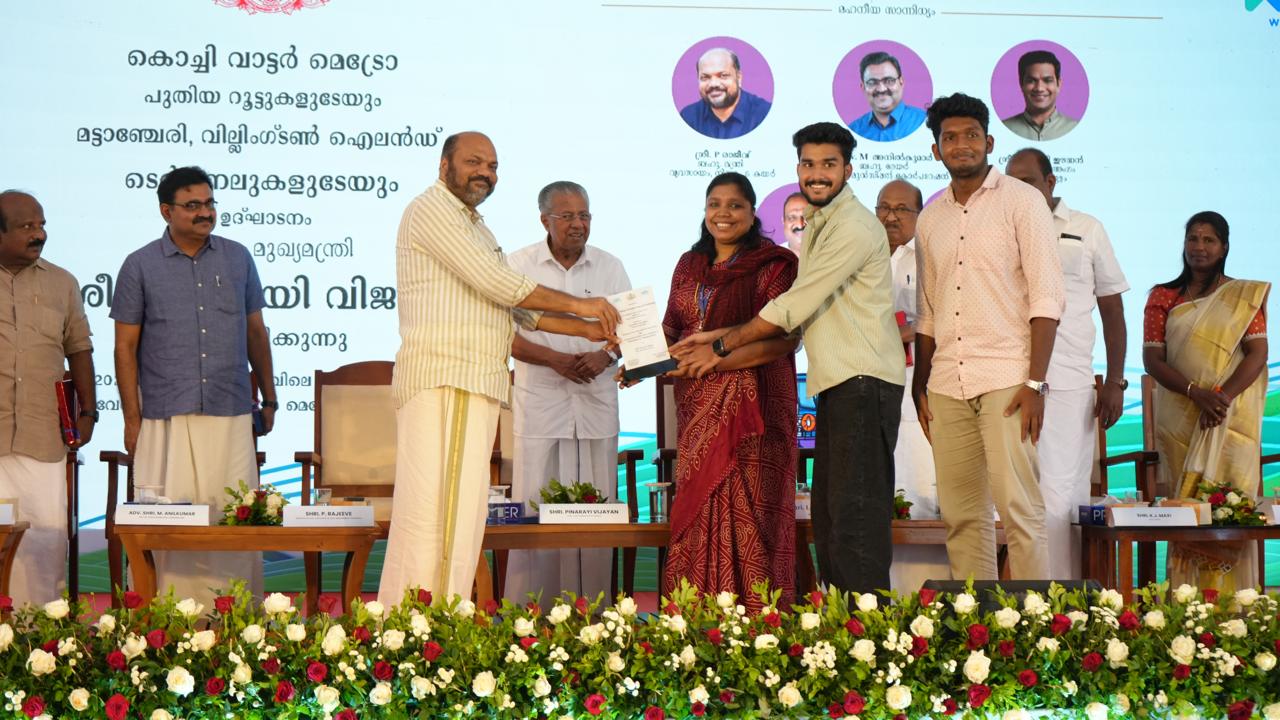
Industry InteractionKochi Water Metro
Industry InteractionIBM
Technology & Industry PartnerTechbyheart
Technology & Training PartnerNeST Digital
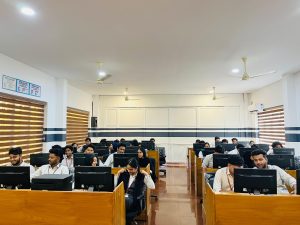
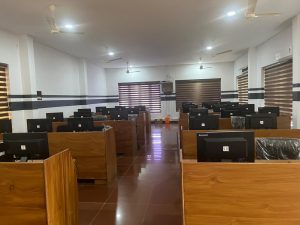
Technology & Engineering PartnerComputer Laboratories
Department Library
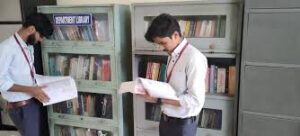
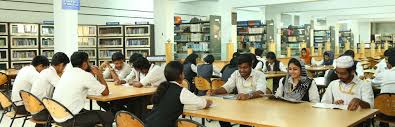
The Department Library of Artificial Intelligence and Cyber Security provides a rich collection of academic books, reference materials, journals, and digital resources to support teaching, learning, and research activities. The library is designed to enhance students’ knowledge in emerging areas such as Artificial Intelligence, Data Science, Cyber Security, Machine Learning, and Software Development.
The library offers a quiet and resourceful environment for students and faculty to access subject-specific textbooks, project references, research materials, and e-learning resources. It plays a vital role in promoting self-learning, innovation, and academic excellence within the department.

Project Showcase
Patents & Awards
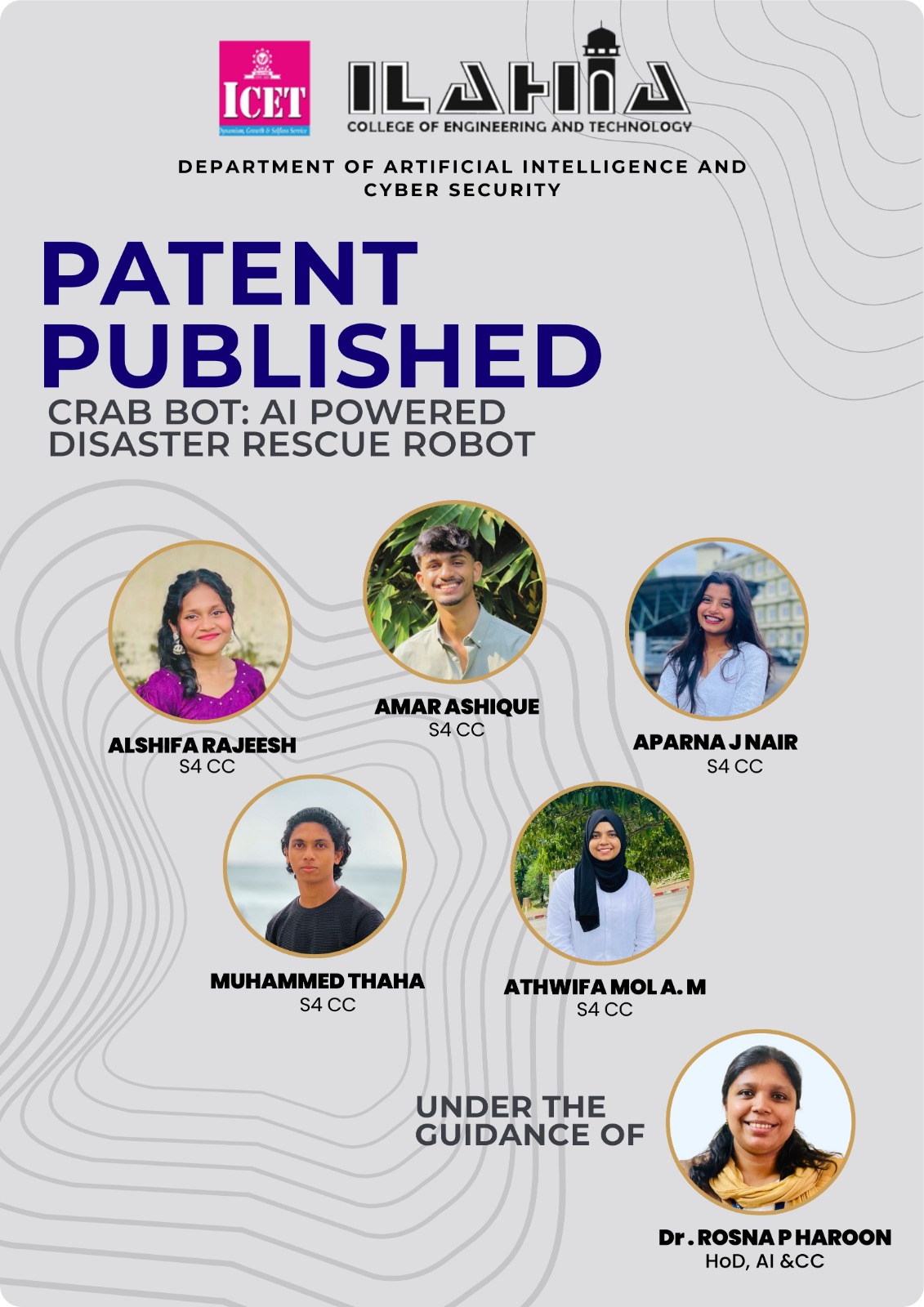
Year: 2025
Category: Artificial Intelligence
Year: 2025
Category: Category Name
Year: 2025
Category: Category Name

Innovision 2K26
23/07/2026 – 24/07/2026A prestigious technical fest featuring a National-Level Project Exhibition and International Paper Presentation, organized by the Department of Artificial Intelligence & Cyber Security.
Innovision 2K26
Paper Presentation: 24/07/2026
About the Event
Innovision 2K26 is a prestigious technical fest organized by the Department of Artificial Intelligence & Cyber Security at Ilahia College of Engineering and Technology, Muvattupuzha. The event brings together students, researchers and innovators through a National-Level Project Exhibition and an International Paper Presentation.
The Project Exhibition provides a platform for student teams to present innovative projects and demonstrate practical solutions to real-world challenges. The exhibition encourages creativity, technical skills, collaboration and project-based learning among participants.
The Paper Presentation Contest provides an opportunity for participants to present their research ideas, innovative concepts and technical findings. The presentation can be attended through both offline and online modes, enabling wider participation and knowledge sharing.
Innovision 2K26 is aligned with the United Nations Sustainable Development Goals (SDGs) and aims to encourage technological innovation that contributes towards sustainable development. The event provides a platform for participants to exchange ideas, showcase their abilities and explore emerging areas of technology and research.
The Project Exhibition is scheduled for 23 July 2026, followed by the Paper Presentation on 24 July 2026. The programme is designed to foster a culture of innovation, creativity, research and real-world problem solving among students.
Event Highlights


Code Launch
15/06/2026 – 24/06/2026C Programming and Python Workshop organized by the AI & CC department to build a strong foundation in programming concepts.
Code Launch
About the Event
The AI & CC department organized the Code Launch – C Programming and Python Workshop from 15 June 2026 to 24 June 2026 at Intellai Hub.
The programme was designed to provide students with a strong foundation in programming concepts and to introduce them to the fundamentals of C Programming and Python. The workshop focused on developing logical thinking, problem-solving skills and programming proficiency among the participants.
A total of 45 students participated in the programme. The sessions included theoretical explanations, practical demonstrations and hands-on programming activities to help students understand fundamental programming concepts effectively.
The programme was inaugurated in the presence of Dr. K. A. Navas Sir, ICET Principal. The workshop served as an effective platform for students to strengthen their programming skills and develop a solid foundation for further learning in computer science and emerging technologies.
The event successfully achieved its objective of establishing a foundation in programming concepts and encouraging students to explore programming through C and Python.
Event Highlights


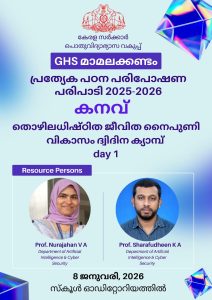
FDP – CyberSecurity & Ethical Hacking
18/05/2026 – 23/05/2026Faculty Development Programme on CyberSecurity and Ethical Hacking organized by the AI & CC Department.
Faculty Development Programme on CyberSecurity & Ethical Hacking
About the Event
The AI & CC Department organized a Faculty Development Programme (FDP) on CyberSecurity & Ethical Hacking from 18 May 2026 to 23 May 2026 at Intellai Hub.
The programme was designed to enhance the knowledge and awareness of participants in the rapidly evolving field of cybersecurity. The sessions focused on fundamental concepts of cybersecurity, ethical hacking and the importance of secure digital practices.
The programme featured sessions led by Mr. Asad Babu, Mr. Sharafudheen K A and Ms. Haseena M K. The sessions provided participants with valuable insights into cybersecurity concepts and ethical approaches to identifying and understanding security threats.
A total of 44 participants attended the programme. The FDP provided an effective platform for knowledge sharing, professional development and discussion on current trends and challenges in cybersecurity and ethical hacking.
Event Highlights


Seminar on Data Science & AI
08/04/2026A seminar on Data Science and Artificial Intelligence organized by the AI & CC Department.
Seminar on Data Science & AI
About the Event
The AI & CC Department organized a Seminar on Data Science & AI on 08 April 2026 at AB Seminar Hall. The seminar was organized to provide students with an opportunity to understand the growing importance of Data Science and Artificial Intelligence.
The session introduced participants to the fundamental concepts of Data Science and AI, highlighting their applications in various domains. The programme also helped students gain awareness of emerging technologies and their relevance in the modern technological landscape.
The seminar was coordinated by Ms. Nurjahan V A and featured Ms. Anexa Thomas as the resource person. The session encouraged students to interact, ask questions and explore the possibilities offered by Data Science and Artificial Intelligence.
A total of 63 participants attended the seminar. The programme served as an informative and engaging platform for students to enhance their knowledge of Data Science and Artificial Intelligence and to understand their potential applications in future careers.
Event Highlights


Workshop on Software Testing
31/03/2026A workshop on Software Testing organized by the AI & CC Department to enhance students' understanding of software testing practices.
Workshop on Software Testing
About the Event
The AI & CC Department organized a Workshop on Software Testing on 31 March 2026 at Intellai Hub. The workshop was conducted to provide participants with a better understanding of software testing and its importance in the software development process.
The session introduced participants to the fundamental concepts and practices involved in software testing. The programme highlighted the importance of identifying errors, verifying software functionality and improving the quality and reliability of software applications.
The workshop was coordinated by Ms. Nurjahan V A and the session was handled by Ms. Sreela Chandran. Participants gained valuable insights into software testing methodologies and the role of testing in developing dependable software systems.
A total of 30 participants attended the workshop. The programme provided an engaging platform for knowledge sharing and helped participants develop a better understanding of software testing concepts and practices.
Event Highlights


MongoDB & Database Design with Python
12/03/2026A technical workshop focused on MongoDB, NoSQL concepts and database design using Python.
MongoDB & Database Design with Python
About the Event
The AI & CC Department organized a Workshop on MongoDB & Database Design with Python on 12 March 2026 at Intellai Hub. The workshop was organized to provide participants with practical knowledge of modern database technologies and their applications in Python-based development.
The programme introduced participants to MongoDB and the fundamental concepts of NoSQL databases. The sessions focused on understanding the structure, features and applications of MongoDB and how it differs from traditional relational database systems.
The workshop also covered important concepts related to database design using Python. Participants were introduced to practical approaches for working with databases and developing applications using Python and MongoDB.
The sessions were handled by Mr. Muhammed Riswan, Mr. Mohammed Haris and Mr. Ajmal. Their sessions provided participants with valuable technical insights and practical exposure to MongoDB, NoSQL concepts and database design.
A total of 64 participants attended the workshop. The programme successfully contributed to improving the participants' technical understanding of MongoDB and NoSQL and encouraged them to explore modern database technologies in application development.
Outcome of the Event
The workshop enhanced participants' technical understanding of MongoDB and NoSQL databases and provided them with practical insights into database design using Python.
Event Highlights


WordPress Workshop
16/02/2026A hands-on workshop on WordPress and website development organized by the CSE & ADCC Department.
WordPress Workshop
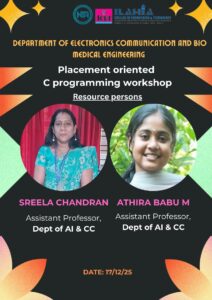
Ms. Athira Babu M
Ms. Athira Babu M
About the Event
The CSE & ADCC Department organized a WordPress Workshop on 16 February 2026 at SDPK Lab. The workshop was conducted to introduce participants to the fundamentals of WordPress and modern website development.
The programme provided participants with an opportunity to understand the basic concepts involved in creating and managing websites using WordPress. The sessions focused on practical aspects of website development and the effective use of WordPress as a web development platform.
The workshop was coordinated and conducted by Ms. Nasreen Ali A and Ms. Athira Babu M. The participants were given practical exposure to the different stages involved in website development.
A total of 20 participants attended the workshop. The hands-on nature of the programme enabled participants to explore website development concepts and gain practical knowledge that can be applied in academic and professional projects.
Outcome of the Event
The workshop enhanced participants' understanding of WordPress and provided practical exposure to website development.
Event Highlights


Blender Workshop
26/02/2026A hands-on workshop on 3D Design and Animation organized by the AI & CC Department.
Blender Workshop
About the Event
The AI & CC Department organized a Blender Workshop on 26 February 2026 at Intellai Hub. The workshop was conducted to introduce participants to the fundamentals of 3D Design and Animation using Blender.
The programme provided participants with an opportunity to explore the Blender interface and understand the basic workflow involved in creating three-dimensional designs and animations.
The session was handled by Mr. Anwarul Haq and coordinated by Mr. Naveen K. Participants were introduced to the essential tools and features of Blender and were given practical exposure to the workflow used in 3D design and animation.
A total of 40 participants attended the workshop. The hands-on sessions helped participants gain a better understanding of Blender and its applications in 3D design, modelling and animation.
Outcome of the Event
The workshop enabled participants to gain a better understanding of the Blender interface and workflow and provided foundational knowledge in 3D Design and Animation.
Event Highlights


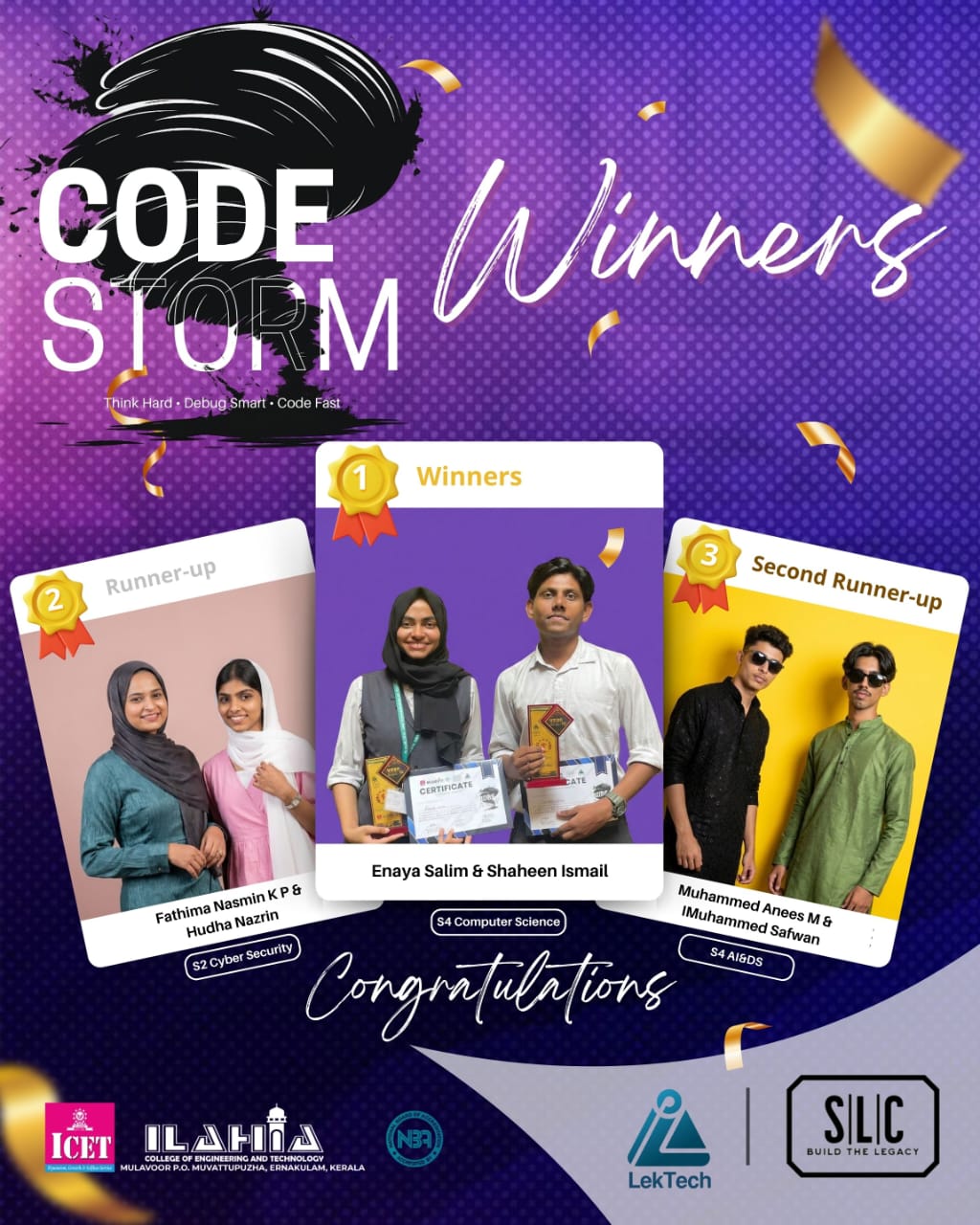
CodeStorm – Python Pursuit
30/01/2026A practical coding programme focused on Python programming and encouraging students to develop their coding skills.
CodeStorm – Python Pursuit
About the Event
The AI & CC Department organized CodeStorm – Python Pursuit on 30 January 2026 at Intellai & Cipher Hub. The programme was designed to encourage students to develop practical coding skills and strengthen their understanding of Python programming.
The event provided participants with an engaging platform to explore Python programming through practical coding activities. The programme emphasized logical thinking, problem-solving and the application of programming concepts to practical challenges.
The session was coordinated by Mr. Nejma M A and featured Mr. Jelith Nasnin as the resource person. Participants were encouraged to actively engage with coding problems and develop effective approaches to solving programming challenges.
A total of 40 participants attended the programme. The event provided students with an opportunity to improve their programming confidence, enhance their practical coding abilities and develop a greater interest in Python programming.
Outcome of the Event
The programme encouraged practical coding among students and helped participants strengthen their problem-solving skills and practical understanding of Python programming.
Event Highlights


Workshop on Power BI
04/12/2025A hands-on workshop on Power BI organized by the AI & CC Department to introduce participants to data visualization and business intelligence.
Workshop on Power BI
Mr. Hathim Hanee K M,
Ms. Aparna Sajeev,
Ms. Farhana Padiyath
About the Event
The AI & CC Department organized a Workshop on Power BI on 04 December 2025 at CipherHub. The workshop was conducted to introduce participants to Power BI and its applications in data analysis, visualization and business intelligence.
The programme provided participants with an opportunity to understand the fundamentals of Power BI and explore the process of transforming data into meaningful and interactive visual representations. The workshop emphasized the importance of data-driven insights in modern organizations.
The sessions were handled by Mr. Mohammed Haris, Mr. Hathim Hanee K M, Ms. Aparna Sajeev and Ms. Farhana Padiyath. Participants were introduced to the essential features and capabilities of Power BI through demonstrations and practical learning activities.
The workshop was coordinated by Ms. Nurjahan V A and was attended by 50 participants. The programme provided valuable exposure to data visualization techniques and helped participants understand how Power BI can be used to present and interpret data effectively.
Event Highlights


Career Guidance Program
05/12/2025A career guidance programme organized by the AI & CC Department to provide students with insights into emerging global career opportunities after B.Tech AI & CC.
Career Guidance Program
Ms. Haseena M K
About the Event
The AI & CC Department organized a Career Guidance Program on 05 December 2025 at the Main Block Seminar Hall. The programme was organized to provide students with valuable guidance and awareness about the emerging global career opportunities available after completing B.Tech in Artificial Intelligence and Computer Communication.
The session focused on the changing technological landscape and the growing demand for skilled professionals in areas related to Artificial Intelligence, Computer Science, data-driven technologies and other emerging domains. Students were given insights into various career pathways and the skills required to build a successful career in the technology sector.
The session was handled by Mr. Kelvin Paul Jose, who shared valuable insights into emerging global career paths and the opportunities available to B.Tech AI & CC graduates. The programme helped students understand the importance of continuous learning, technical skills and professional development in achieving their career goals.
The programme was coordinated by Ms. Nejma M A and Ms. Haseena M K and was attended by 100 participants. The session provided students with useful career perspectives and encouraged them to explore suitable opportunities in the rapidly evolving technology industry.
Event Highlights


Association Day
16/10/2025Association Day organized by the AI & CC Department, featuring the launch of the association logo and an engaging programme for students.
Association Day
Alisha Muhammed Shafi
About the Event
The AI & CC Department organized Association Day on 16 October 2025 at the AB Auditorium. The programme brought together students and faculty members to celebrate the activities and initiatives of the departmental association.
A major highlight of the programme was the Association Logo Launch, marking an important milestone for the association. The launch symbolized the identity, vision and collective spirit of the association and reflected its commitment towards fostering technical, creative and professional development among students.
The programme was graced by Mr. Nishan Ilahi P R, who contributed to the occasion and shared valuable insights with the participants. The event provided an opportunity for students to come together, interact and actively participate in the association's activities.
The programme was coordinated by Nurjahan V A and Alisha Muhammed Shafi and was attended by 350 participants. The celebration marked the beginning of a new phase of association activities and encouraged students to actively engage in future academic, technical and co-curricular initiatives.
Event Highlights


Ilahia Cyber Wing Inauguration
29/10/2025The inauguration of the Ilahia Cyber Wing, featuring a project exhibition and an engaging programme for students of the AI & CC Department.
Ilahia Cyber Wing Inauguration
About the Event
The AI & CC Department organized the Ilahia Cyber Wing Inauguration on 29 October 2025 at the Intellai Cyber Wing Hub. The programme marked an important milestone in strengthening the department's activities in the field of cybersecurity and emerging technologies.
The event featured the formal inauguration of the Ilahia Cyber Wing, providing a dedicated platform for students to explore cybersecurity concepts, develop technical skills and engage in practical learning activities. The initiative aims to encourage students to take an active interest in cybersecurity and related technological domains.
A Project Exhibition was also organized as part of the programme, giving students an opportunity to showcase their technical projects and innovative ideas. The exhibition highlighted the practical application of knowledge and encouraged students to develop solutions to real-world technological challenges.
The programme was graced by Mr. Sebastian Edassery. The event was coordinated by Rosna P Haroon and was attended by 130 participants. The programme provided an enriching platform for students to showcase their skills and marked the beginning of further activities through the Ilahia Cyber Wing.
Event Highlights


Department Achievements
Department Association
The Department Association of Artificial Intelligence and Cyber Security actively organizes technical events, workshops, seminars, competitions, and Association Day celebrations every academic year. The association aims to enhance leadership, technical skills, and collaborative learning among students through various academic and co-curricular activities.
Association Day Celebration
The Association Day is conducted every year with technical and cultural programs including project exhibitions, competitions, technical talks, and student activities. It provides a platform for students to showcase their talents, innovation, and teamwork.
Academic Year: 2024-2025
Department Magazine
The Department Magazine is published annually to showcase the creative talents, technical articles, achievements, and innovative ideas of students and faculty of the Artificial Intelligence and Cyber Security department. The magazine reflects the academic excellence, research culture, and co-curricular activities of the department.
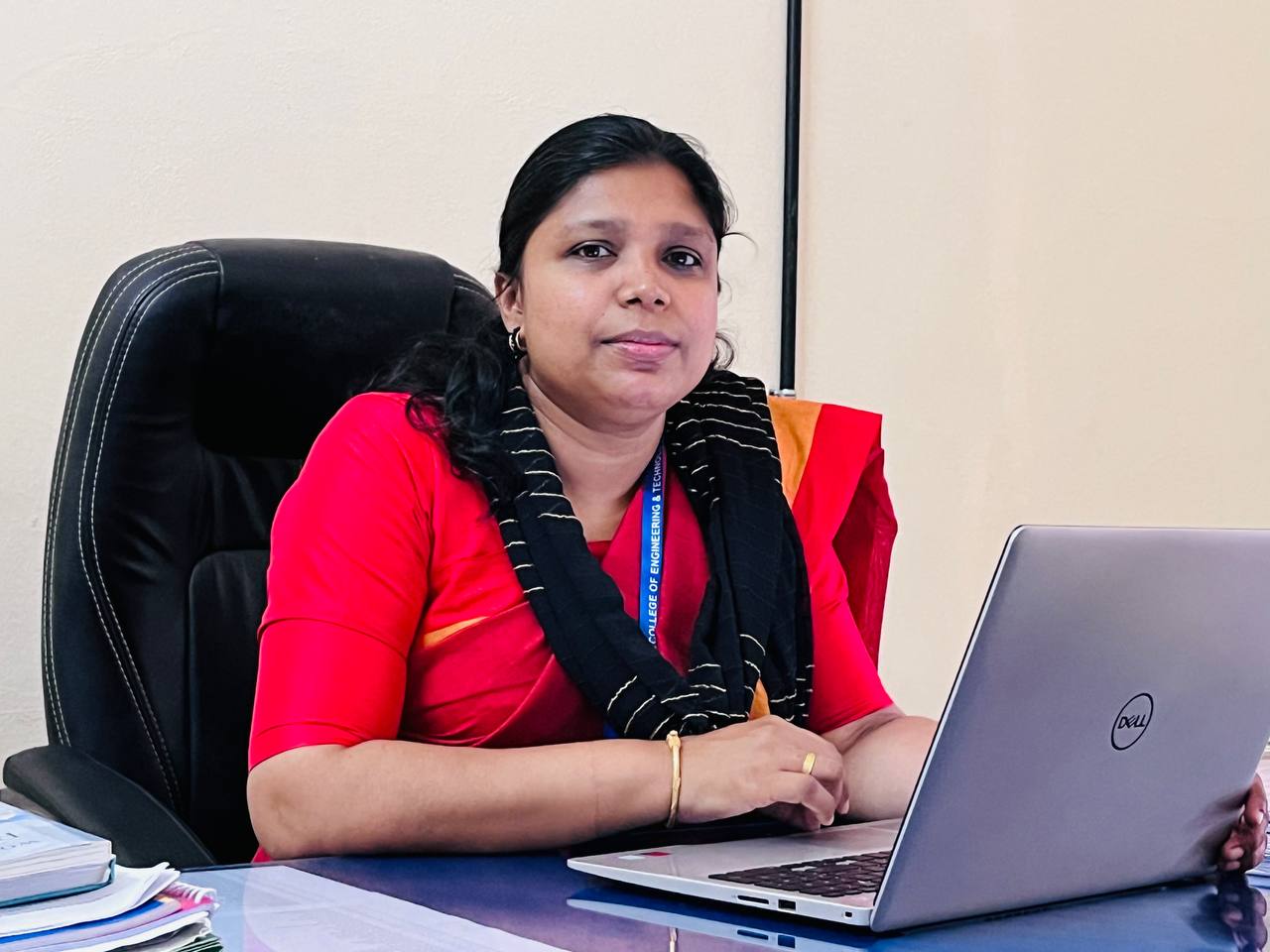
Department of Artificial Intelligence & Cyber Security
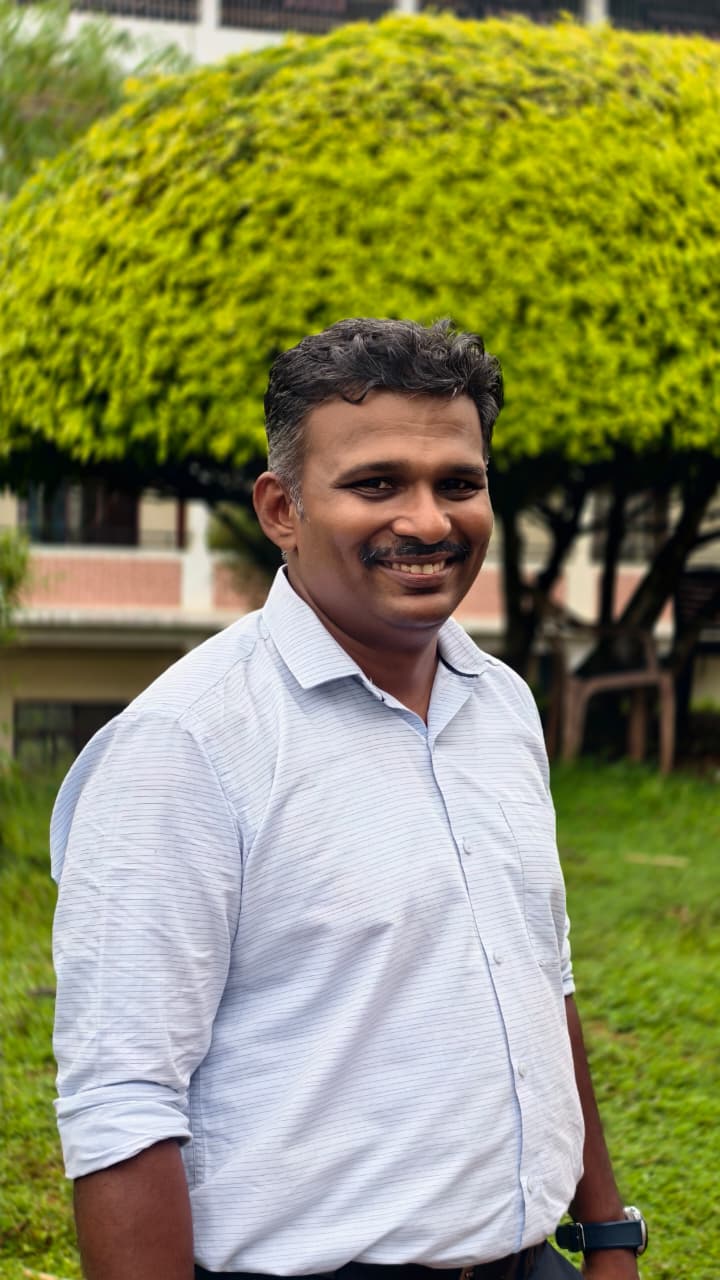
Dr. Aswin V H
Professor, AI & CC
View Profile →
Ms. Nurjahan V A
Assistant Professor, AI & CC
View Profile →
Ms. Sharafudheen K A
Assistant Professor, AI & CC
View Profile →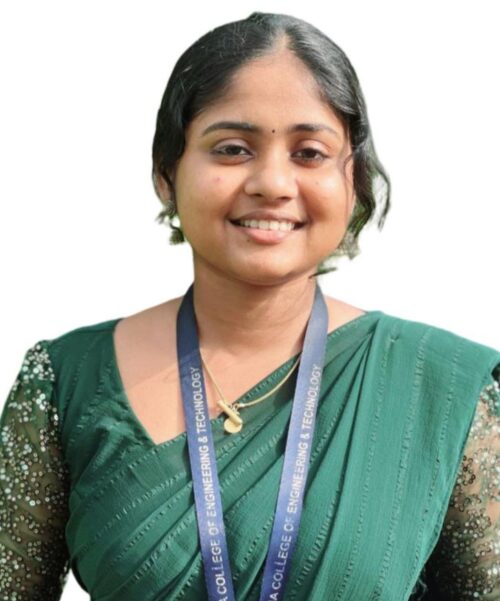
Ms. Athira Babu M
Assistant Professor, CSE
View Profile →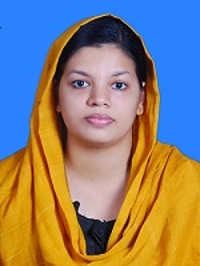
Ms. Nejma M A
Assistant Professor, AI & CC
View Profile →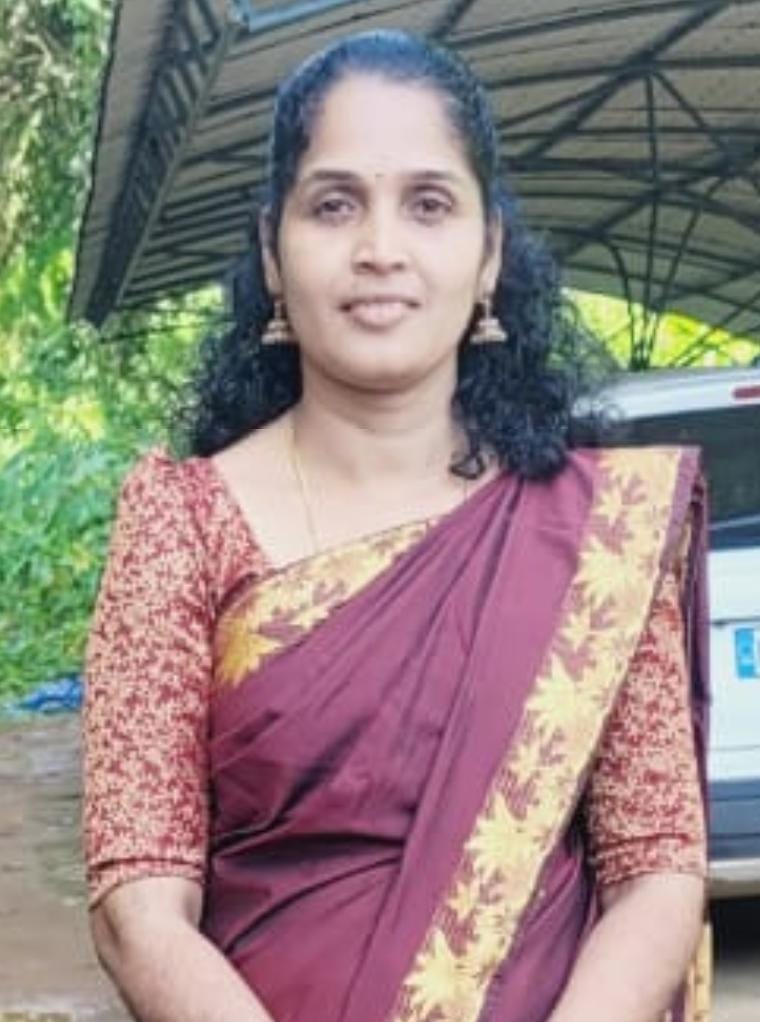
Ms. Jyothi Krishnan
Assistant Professor, AI & CC
View Profile →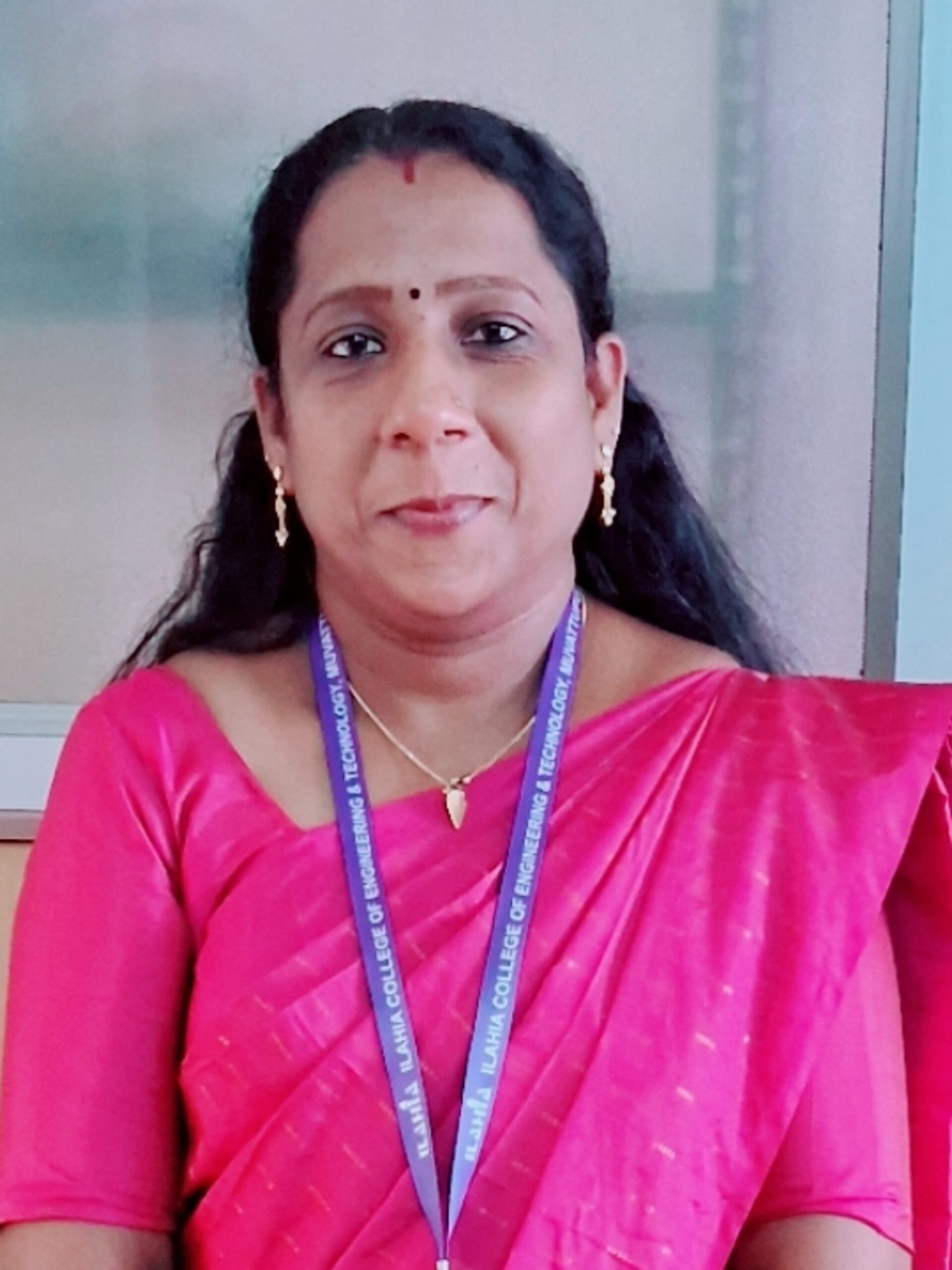
Ms. Sreela Chandran
Assistant Professor, AI & CC
View Profile →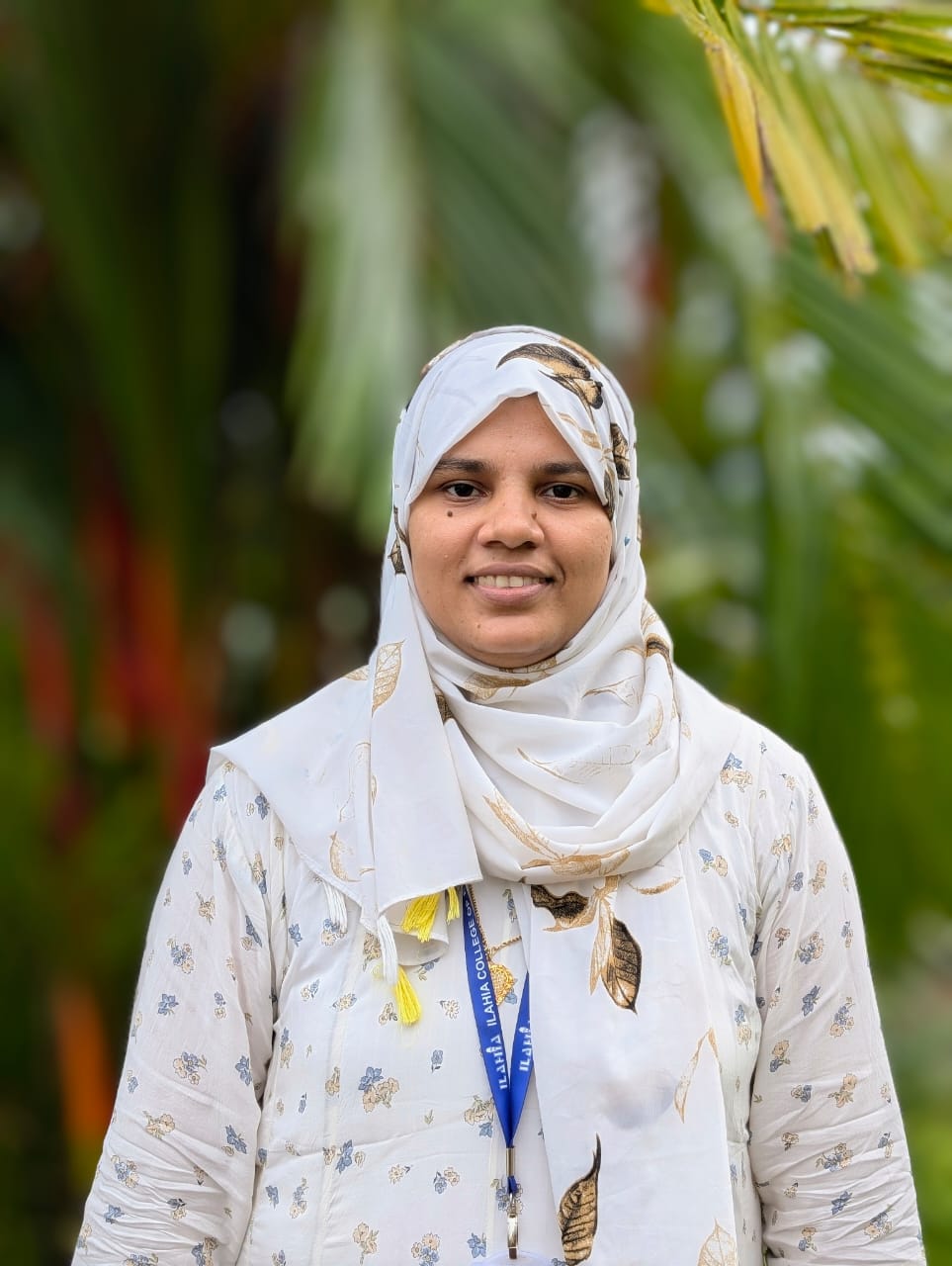
Ms. Noufiya Koyan
Assistant Professor, AI & CC
View Profile →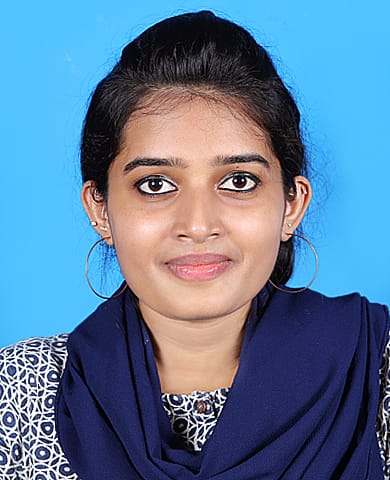
Ms. Alisha Muhammed Shafi
Assistant Professor, AI & CC
View Profile →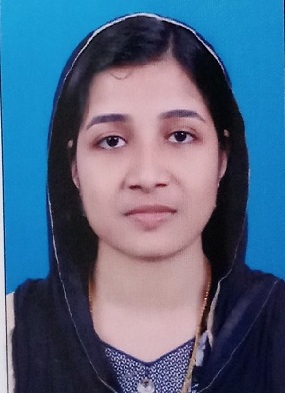
Ms. Asla M P
Assistant Professor, AI & CC
View Profile →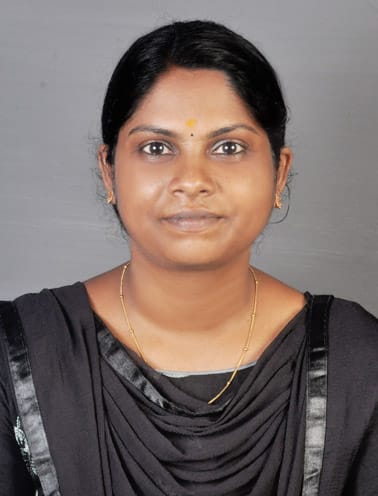
Ms. Anu M S
Assistant Professor, AI & CC
View Profile →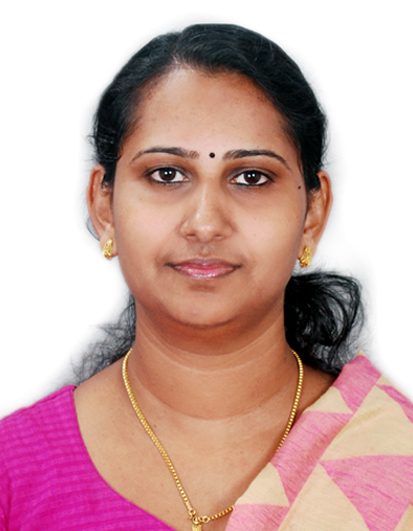
Ms. Rani Augustine
Assistant Professor, AI & CC
View Profile →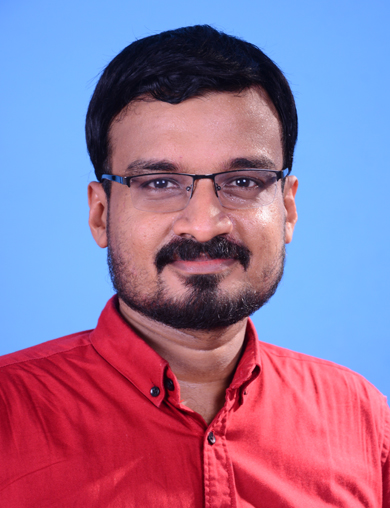
Mr. Mithun V P
Assistant Professor, AI & CC
View Profile →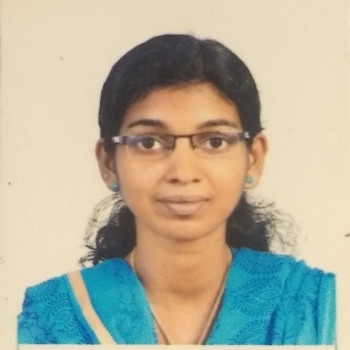
Ms. Santumol C Puthiyaparambil
Assistant Professor, AI & CC
View Profile →